Source Mobile Stock Cart for Factories, Warehouses, and Logistics
Find 30 mobile stock cart options for internal material transport in factories, warehouses, and logistics centers. Compare stainless steel and metal models with customizable sizes, powder-coated finishes, and smooth rolling wheels to optimize your operational workflow; compare the available evidence and request quotations based on your requirements.
Key considerations
Products List






Comprehensive Sourcing Guide
Mobile Stock Cart Sourcing Guide
Procurement professionals must first distinguish between general material transfer carts and specialized mobile storage units when sourcing mobile stock carts. The available market data indicates a clear divergence in product definitions, ranging from heavy-duty industrial transport solutions designed for factory floors to compact, drawer-based units intended for office archives and libraries. Buyers should verify whether the supplier's listing refers to a wheeled cart for moving bulk loads or a stationary shelving unit with mobile capabilities, as the engineering requirements and safety protocols differ significantly between these two distinct categories.
Understanding the specific operational environment is critical before engaging with suppliers, as the intended application dictates the necessary structural integrity and mobility features. Listings suggest these units are deployed in diverse settings including logistics centers, warehouses, and government archives, each demanding different load capacities and surface treatments. A cart designed for moving popcorn or candy in a food processing facility requires different hygiene and material standards compared to a unit used for storing documents in a bank, necessitating a precise definition of the use case to avoid purchasing equipment that fails under specific operational stresses.
Product Scope and Observed Listing Signals
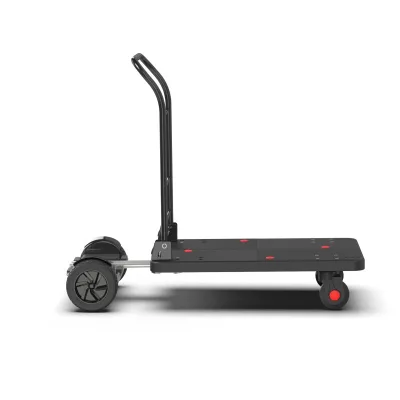
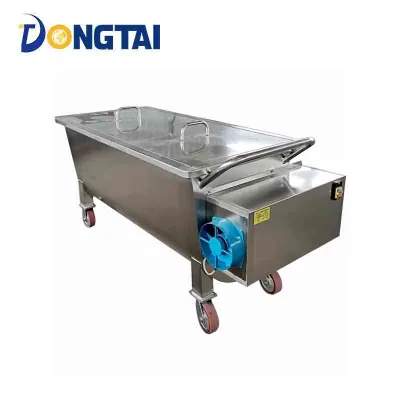
Buyers should scrutinize product listings for specific keywords that define the functional scope, such as "Material Transfer Cart" or "Push Hand Cart," to ensure alignment with their logistical needs. The observed market signals reveal that some units are optimized for internal material transport with smooth rolling wheels, while others feature sliding drawers and specific dimensions like L900D600H2400mm for office storage. It is essential to confirm whether the product includes a fixed rotary mechanism or a customizable awning type, as these attributes directly impact the unit's utility in specific workflows and storage configurations.
The physical attributes of the cart, including frame material and surface finishing, serve as primary indicators of durability and suitability for the intended environment. Available data highlights the use of stainless steel, cold-rolled metal plates, and epoxy powder coating, which are critical for resisting corrosion and wear in industrial or high-traffic settings. Procurement teams must verify if the color options are limited to standard palettes or if custom RAL color lists are available, as aesthetic requirements often play a role in facility management and brand consistency within corporate or government facilities.
Technical Specifications to Verify
Technical verification must begin with the dimensional tolerances and structural stability, as the observed data specifies a tolerance of +/-0.01mm for precision components. Buyers should request detailed engineering drawings to confirm that the welding methods and frame construction meet the required load-bearing specifications for their specific material transfer needs. The distinction between a unit with a stable structure for safe handling and one designed for easy maneuverability is vital, as the wrong balance can lead to operational inefficiencies or safety hazards during daily use.
Capacity and mobility are equally critical technical parameters that require explicit confirmation from the supplier to ensure the cart can handle the intended volume of goods. While some listings claim suitability for various material loads, the actual weight capacity and wheel configuration must be validated against the heaviest expected load to prevent structural failure. Additionally, the open type mechanism, whether it is a hand-crank sliding system or a simple push design, must be tested for smooth operation to ensure it does not impede the flow of materials in high-volume environments.
Compliance and Safety Documentation
Safety compliance is a non-negotiable aspect of sourcing mobile stock carts, particularly when the equipment is used in environments with strict regulatory requirements. Buyers must verify that the supplier provides documentation confirming adherence to recognized safety standards such as ASME, China GB Code, or EN standards, which govern the structural integrity and operational safety of industrial handling equipment. The presence of a stable structure and safe handling design should be backed by formal test reports or compliance certificates to ensure the unit meets the necessary safety thresholds for its intended application.
In addition to structural safety, environmental and fire safety certifications are essential for units deployed in sensitive areas like archives, schools, or government buildings. The observed market data references fire retardant standards and certifications such as ISO9001, ISO14001, and ISO18001, which indicate a supplier's commitment to quality and environmental management. Procurement teams should explicitly request proof of these certifications and verify that the materials used, such as the metal cold-rolled plate, meet the specified fire safety requirements to mitigate risks in the event of an emergency.
Cost Drivers and Commercial Terms
The cost of mobile stock carts is heavily influenced by the level of customization required, with options ranging from standard specifications to fully tailored solutions. Buyers should anticipate that customizing the frame material, surface treatment, or specific dimensions will increase the unit price, as evidenced by the availability of customizable options for color, size, and packing methods. Understanding the cost implications of these variables is crucial for budgeting, as the difference between a standard off-the-shelf unit and a bespoke solution can be substantial depending on the complexity of the requested modifications.
Commercial terms, including minimum order quantities and delivery lead times, are significant factors that affect the total cost of ownership and project timelines. The observed data indicates a wide range of MOQs from 1 set to 500 units, allowing flexibility for both small-scale procurement and large-scale industrial deployments. However, buyers must account for the standard delivery window of 15-30 days and the specific packaging requirements, such as wooden boxes or knock-down export cartons, which can impact shipping costs and the overall logistics strategy for the procurement project.
Supplier Qualification and Quality Control
Supplier qualification should focus on verifying the manufacturer's origin and their track record in producing high-quality metal fabrication products. The data points to Yantai, China, as a primary origin for these units, suggesting a concentration of manufacturing expertise in this region. Buyers should investigate the supplier's production capabilities, specifically their experience with welding processes and surface treatments like epoxy powder coating, to ensure they can consistently deliver products that meet the rigorous standards required for industrial and commercial applications.
Quality control processes must be robust to ensure that every unit meets the specified tolerances and performance expectations. Buyers should inquire about the supplier's internal quality assurance protocols, including how they verify the +/-0.01mm tolerance and the integrity of the welding joints. It is also important to confirm the warranty terms, as the observed data mentions a 10-year warranty, which serves as a strong indicator of the supplier's confidence in the durability and long-term performance of their mobile stock cart products.
Long-Term Procurement Checks
Long-term procurement success depends on establishing a reliable supply chain that can support ongoing maintenance and potential future expansions. Buyers should assess the supplier's ability to provide spare parts and technical support over the product's lifecycle, ensuring that the mobile stock carts remain operational for years without significant downtime. The availability of a 10-year warranty suggests a commitment to longevity, but it is essential to clarify the terms of this warranty and the process for claiming repairs or replacements to protect the investment.
Finally, buyers must plan for the scalability of their procurement strategy, considering how the mobile stock carts will adapt to changing operational needs. The observed market offers customizable options for size, color, and function, which allows for future modifications without the need to replace entire units. Procurement teams should evaluate the supplier's flexibility in handling additional orders and their capacity to scale production, ensuring that the supply chain can respond quickly to increased demand or changes in facility requirements over the long term.
FAQs
Can mobile stock carts be customized for specific factory needs?
Yes, customization is available for mobile stock carts to meet specific operational requirements. Buyers can select from standard colors or choose customizable options to match their facility branding. The product name and model specifications can also be tailored. This flexibility ensures the cart integrates seamlessly into various warehouse and logistics center environments while maintaining structural stability.
What materials are used to construct mobile stock carts?
Mobile stock carts are primarily constructed from stainless steel and metal cold rolled plate. The frame material is steel, ensuring durability and strength for internal material transport. These materials are chosen to support various material loads while providing a stable structure. The surface treatment includes powder coating or epoxy powder coating to enhance corrosion resistance and aesthetic appeal.
What certifications do mobile stock cart manufacturers typically hold?
Manufacturers of mobile stock carts typically hold ISO9001, ISO14001, and ISO18001 certifications. These standards ensure quality management, environmental responsibility, and occupational health and safety compliance. Some products may also adhere to ASME, EN, or China GB Code standards. These certifications verify that the production processes meet international benchmarks for safety and reliability in industrial settings.
How long is the delivery lead time for mobile stock carts?
The delivery lead time for mobile stock carts is typically 15 to 30 days. This timeframe allows for manufacturing, quality control, and packaging preparation. The products are packed in standard export cartons or wooden boxes to ensure safe transit. Buyers should account for this period when planning inventory replenishment or facility expansion projects requiring material handling equipment.
What is the minimum order quantity for mobile stock carts?
The minimum order quantity for mobile stock carts ranges from 1 to 500 units. This flexible MOQ allows businesses to order single sets for testing or larger batches for extensive deployment. The low entry point supports small-scale operations, while bulk orders benefit from streamlined logistics. Buyers can choose from standard specifications or customized dimensions based on their specific volume requirements.
Where are mobile stock carts manufactured and shipped from?
Mobile stock carts are manufactured and shipped from Yantai, China. This location serves as a key hub for industrial equipment production. The products originate from China, leveraging established supply chains for materials like stainless steel and metal plates. Buyers sourcing from this region benefit from competitive pricing and efficient logistics networks for global distribution of material handling solutions.